
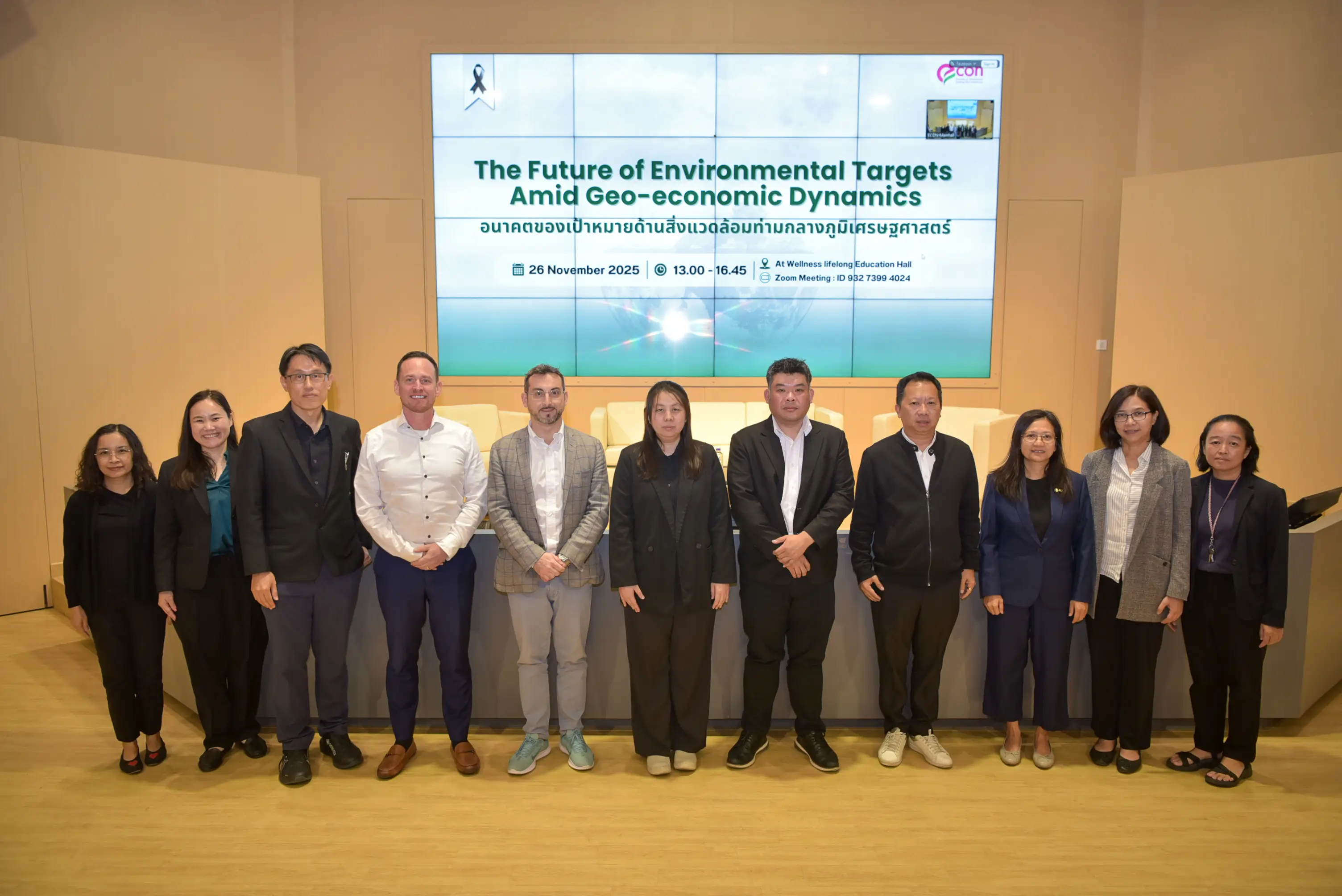
Academic Seminar on “The Future of Environmental Goals in a Changing Geoeconomic Landscape”
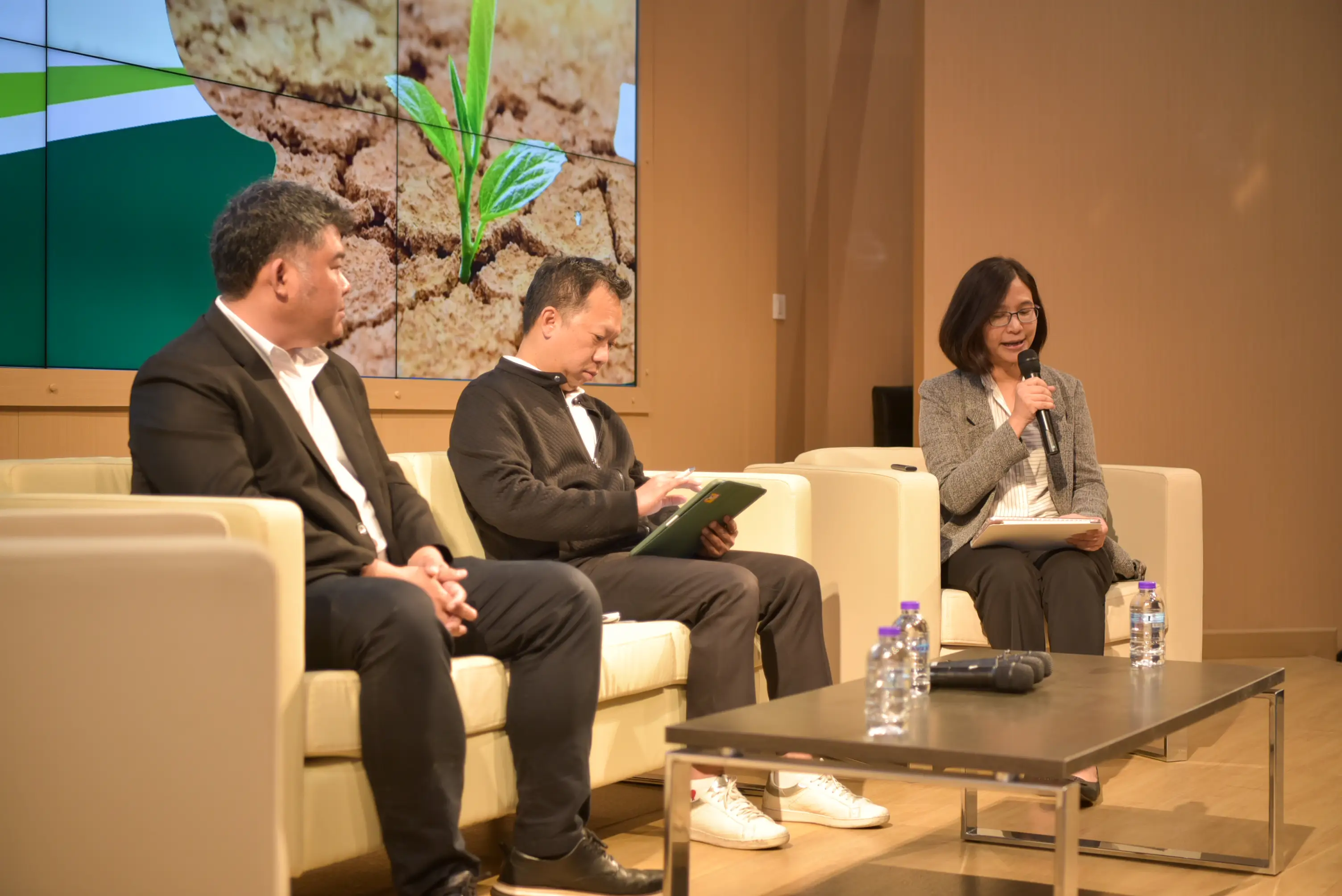
On 26 November 2025, the Faculty of Economics, Chiang Mai University, organized an academic seminar entitled “The Future of Environmental Targets Amid Geo-economic Dynamics” to promote understanding of economic instruments used in the transition toward a low-carbon economy. The seminar explored key policy tools, including carbon taxation, emissions trading systems, carbon border adjustment mechanisms (CBAM), and subsidy measures that influence international trade patterns and Thailand’s economic competitiveness. Discussions also examined the opportunities, challenges, and geo-economic factors shaping the transition toward low-carbon development, particularly within the automotive industry.
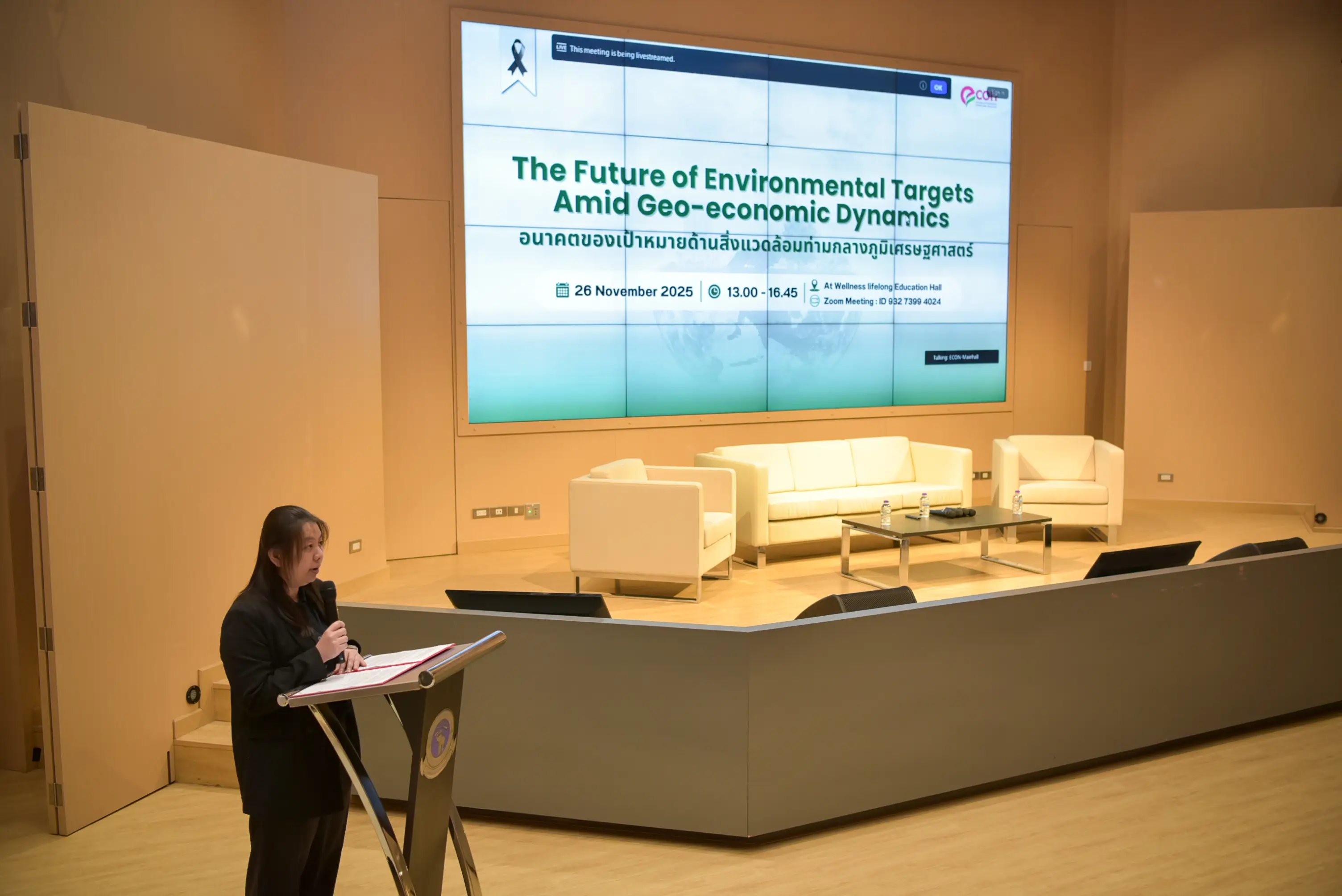
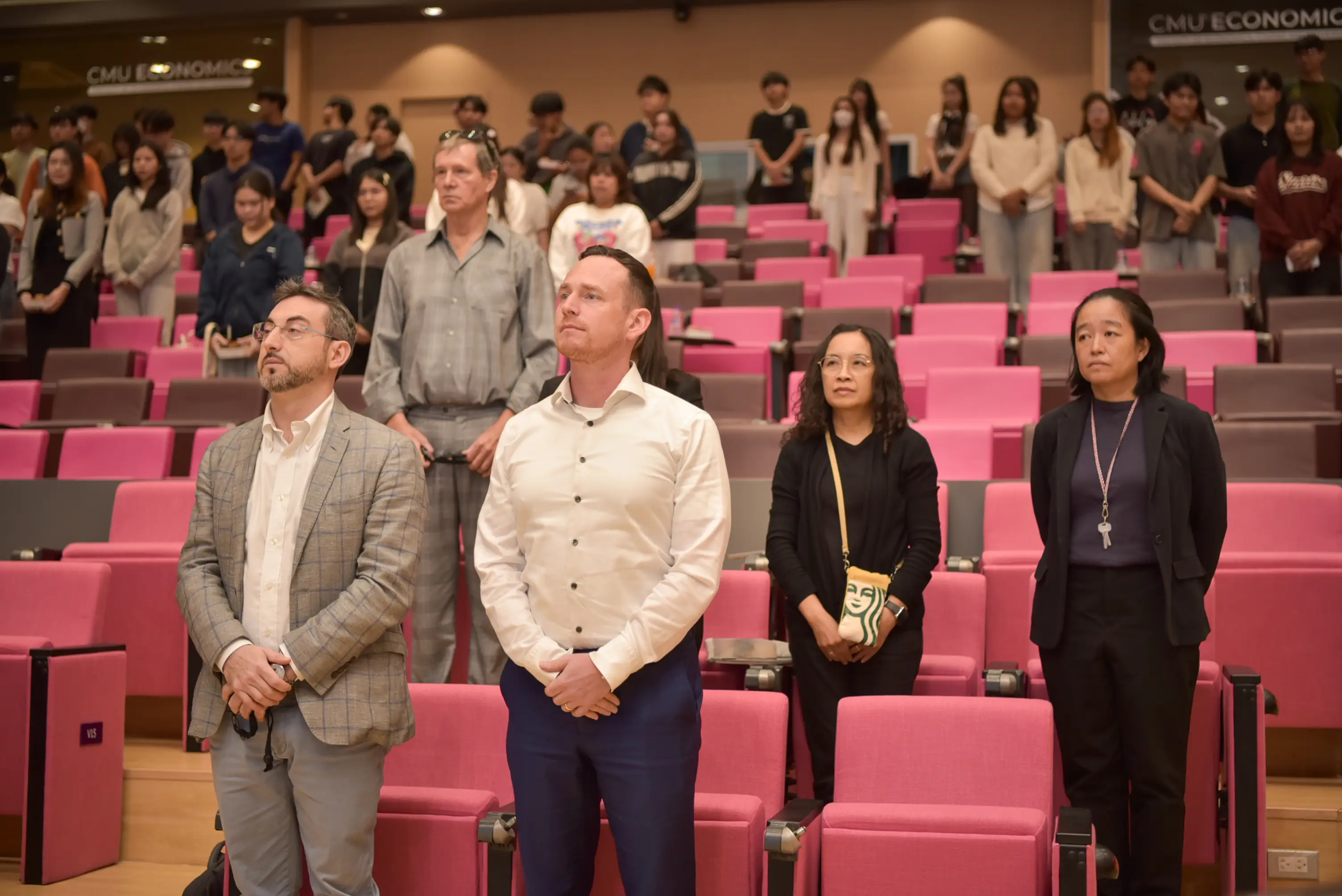
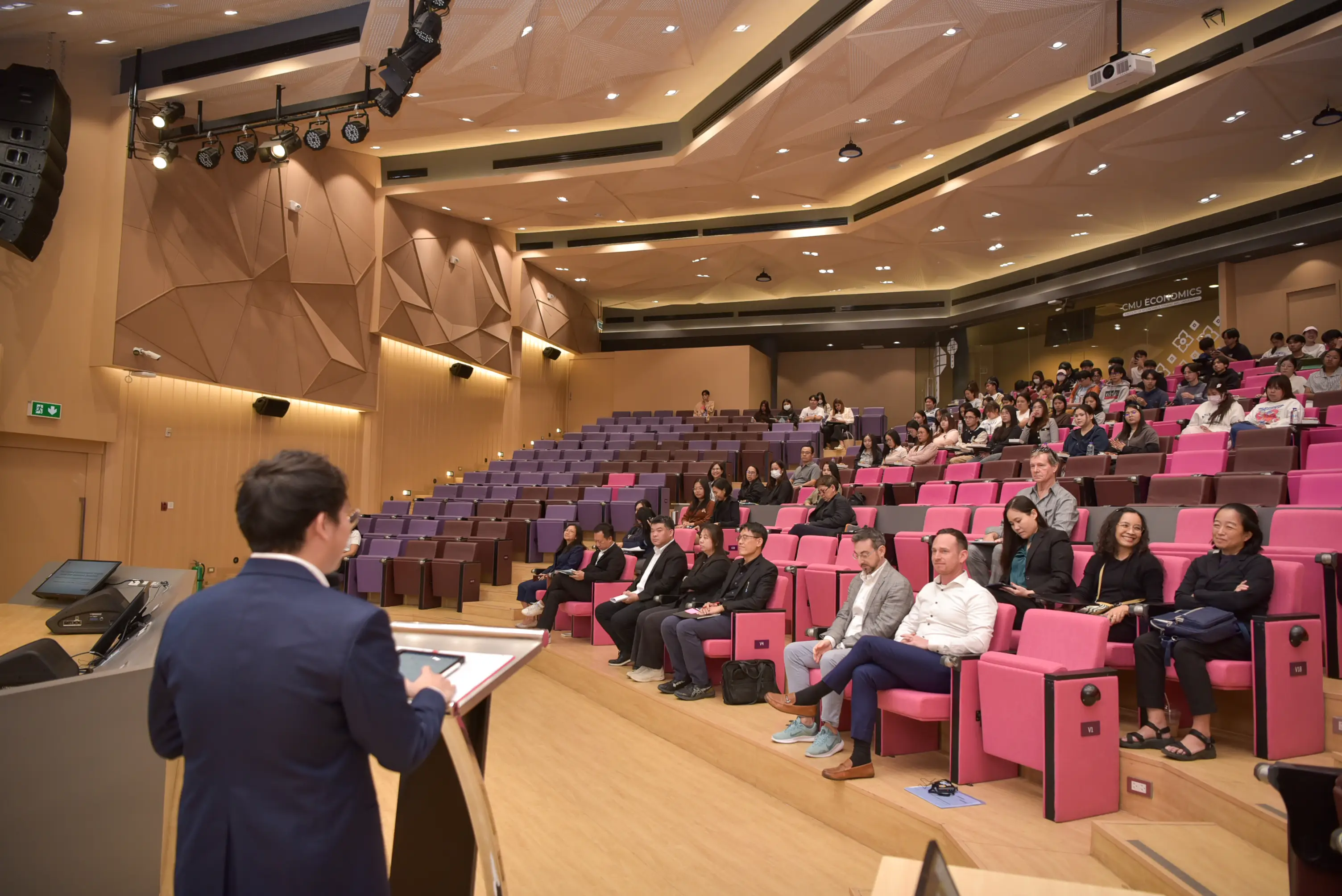
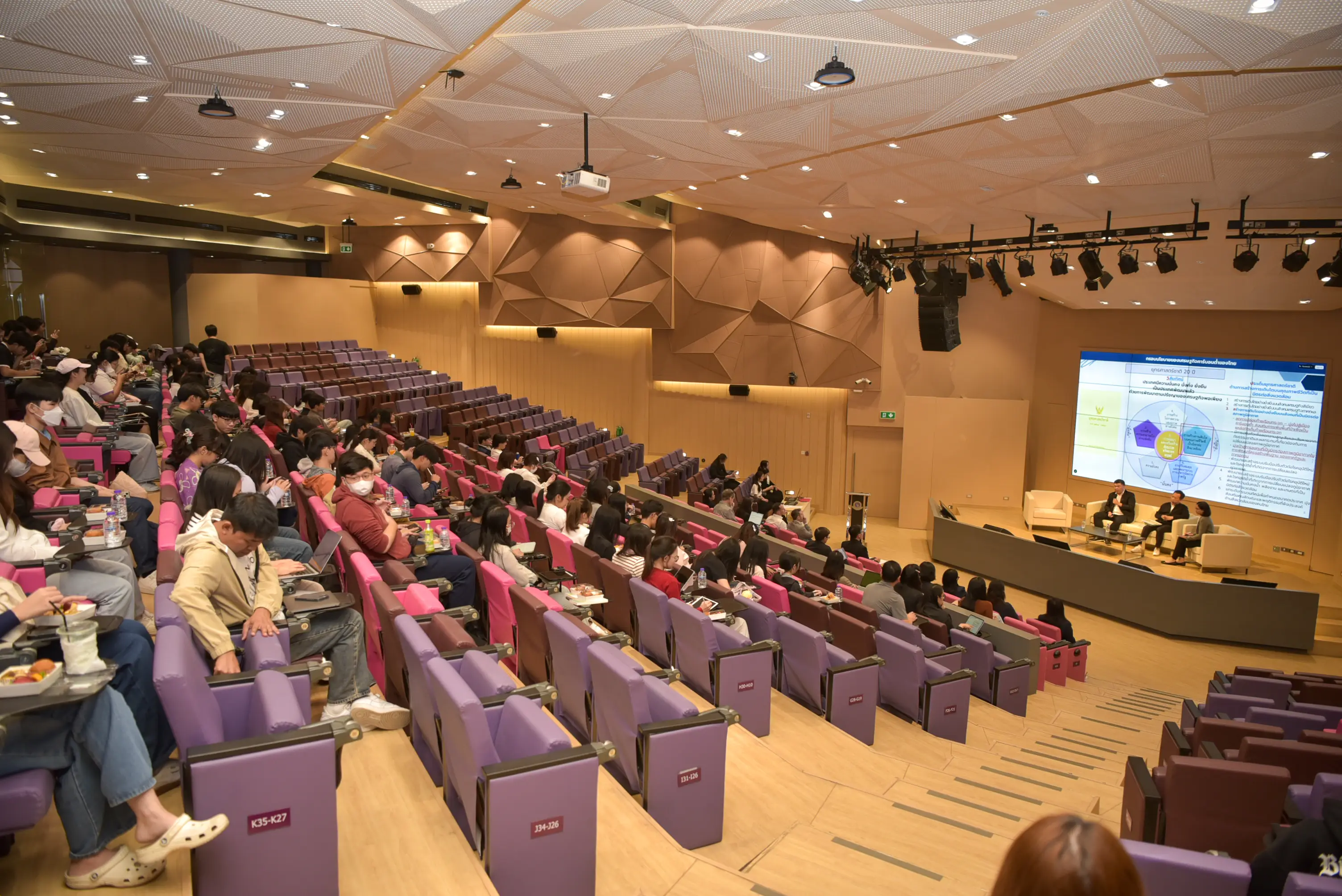
The event was held at the Lifelong Learning Hall and was simultaneously livestreamed through online platforms to enable broader public participation.
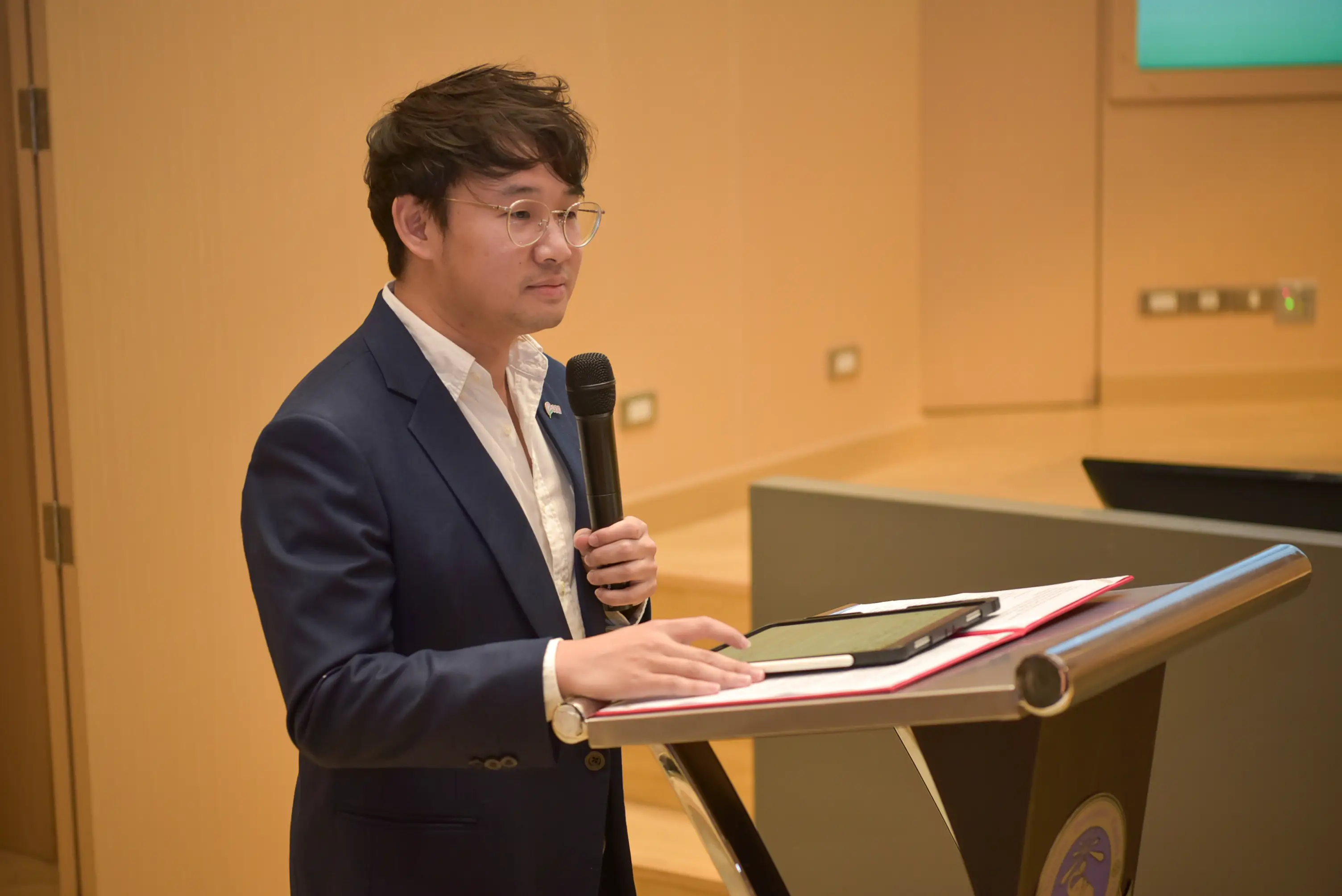
The seminar was officially opened by Associate Professor Dr. Rossarin Osathanunkul, Dean of the Faculty of Economics, who emphasized the Faculty’s commitment to advancing economic knowledge and contributing to sustainable development through academic engagement and public discourse.
Session I:
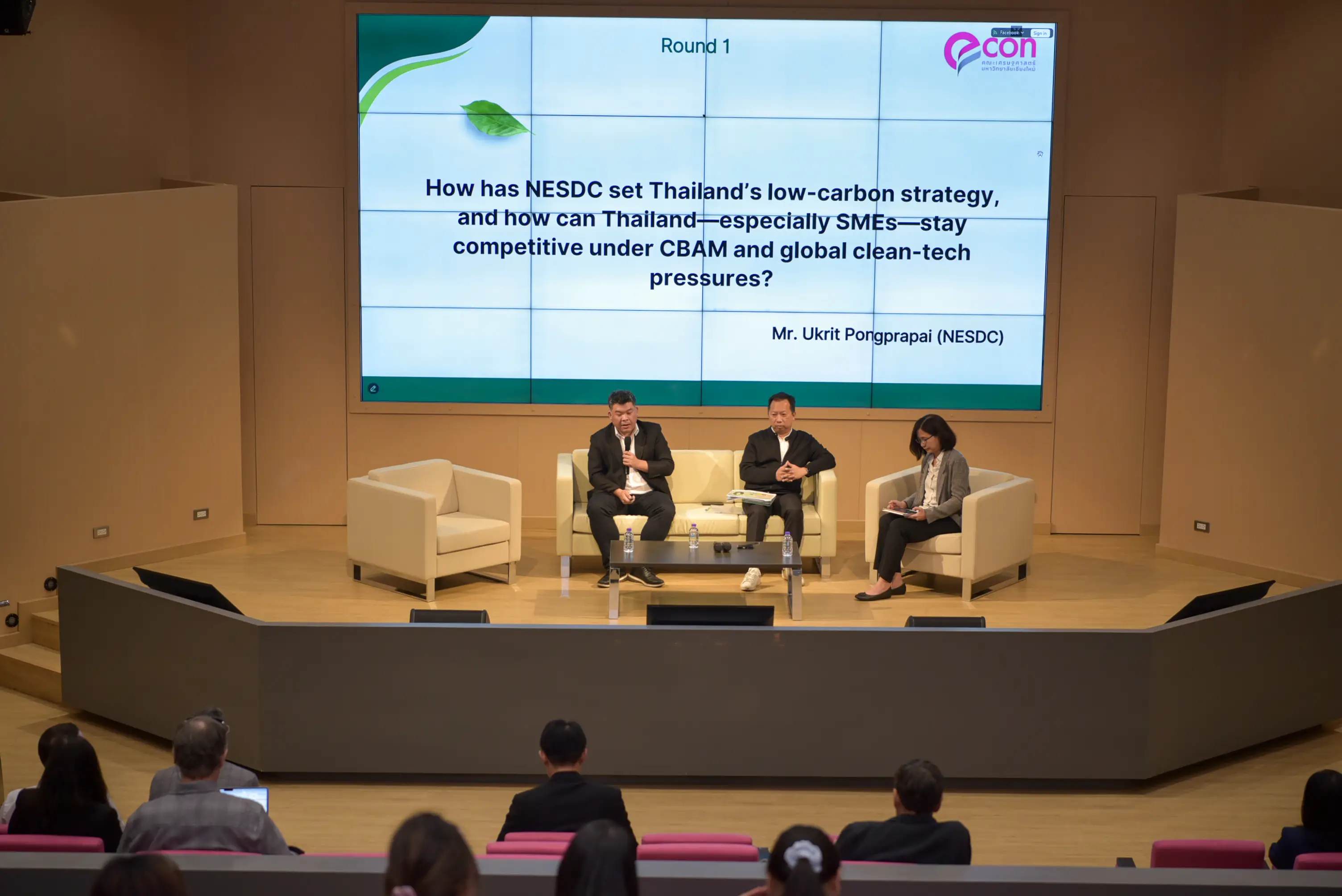
“Greenhouse Gas Reduction Policies, WTO Environmental Regulations, and Implications for the Private Sector”
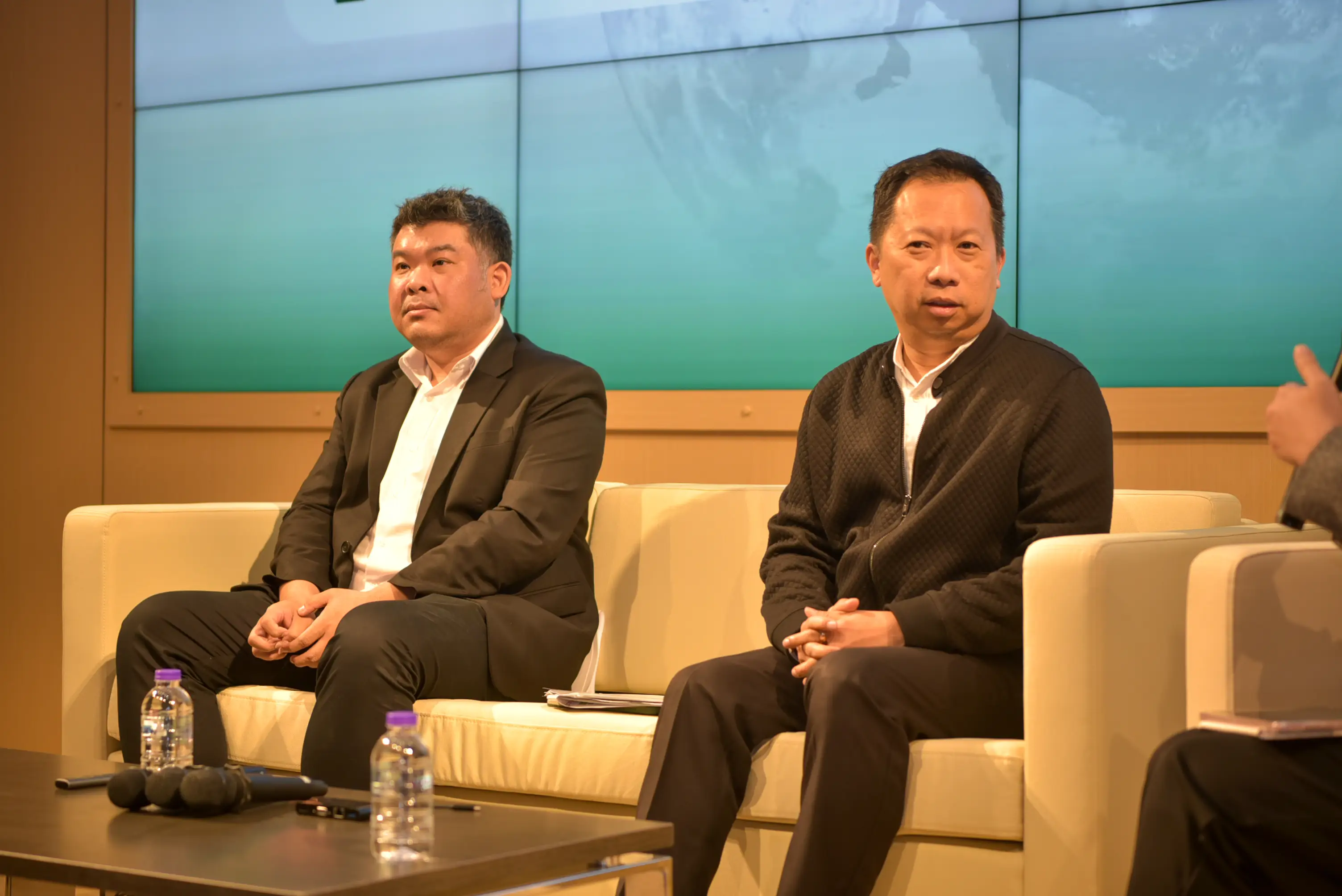
The panel featured distinguished speakers:
Mr. Ukrit Pongprapai, Strategic Planning Specialist, Northern Office of the National Economic and Social Development Council (NESDC)
Topic: Thailand’s Low-Carbon Economic Growth Policy in the Context of Geoeconomics
Mr. Nakorn Trirattanavirapat, President of the Thailand Greenhouse Gas Management Organization (Public Organization)
Topic: Global and National Directions and Mechanisms for Greenhouse Gas Reduction
H.E. Ms. Pimchanok Pitfield, Ambassador and Permanent Representative of Thailand to the WTO and WIPO
Topic: WTO Actions Related to Environmental Trade Measures and Their Implications for Thailand
The session was moderated by Associate Professor Dr. Piyaluk Buddhawongsa, Faculty of Economics, Chiang Mai University.
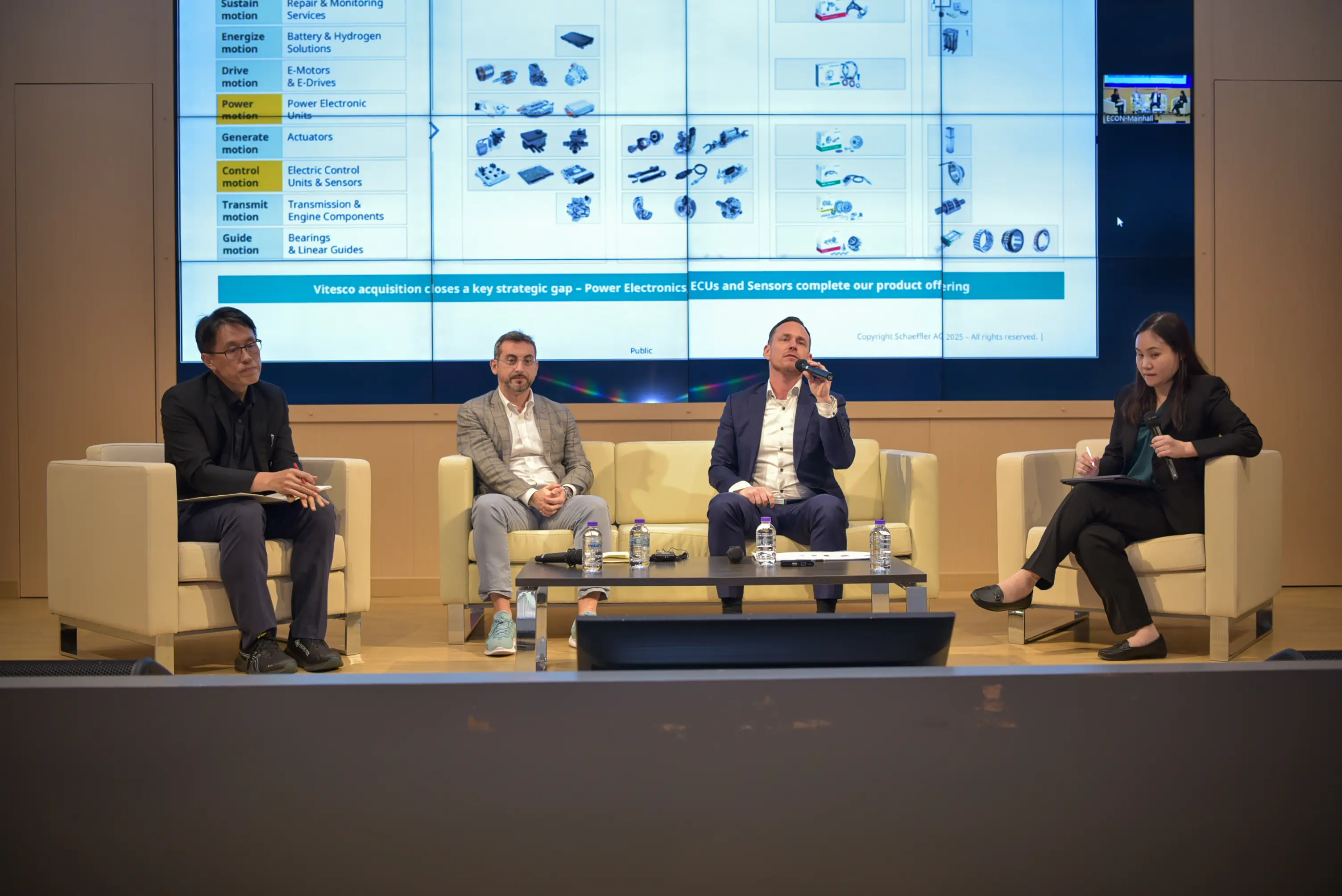
Session II:
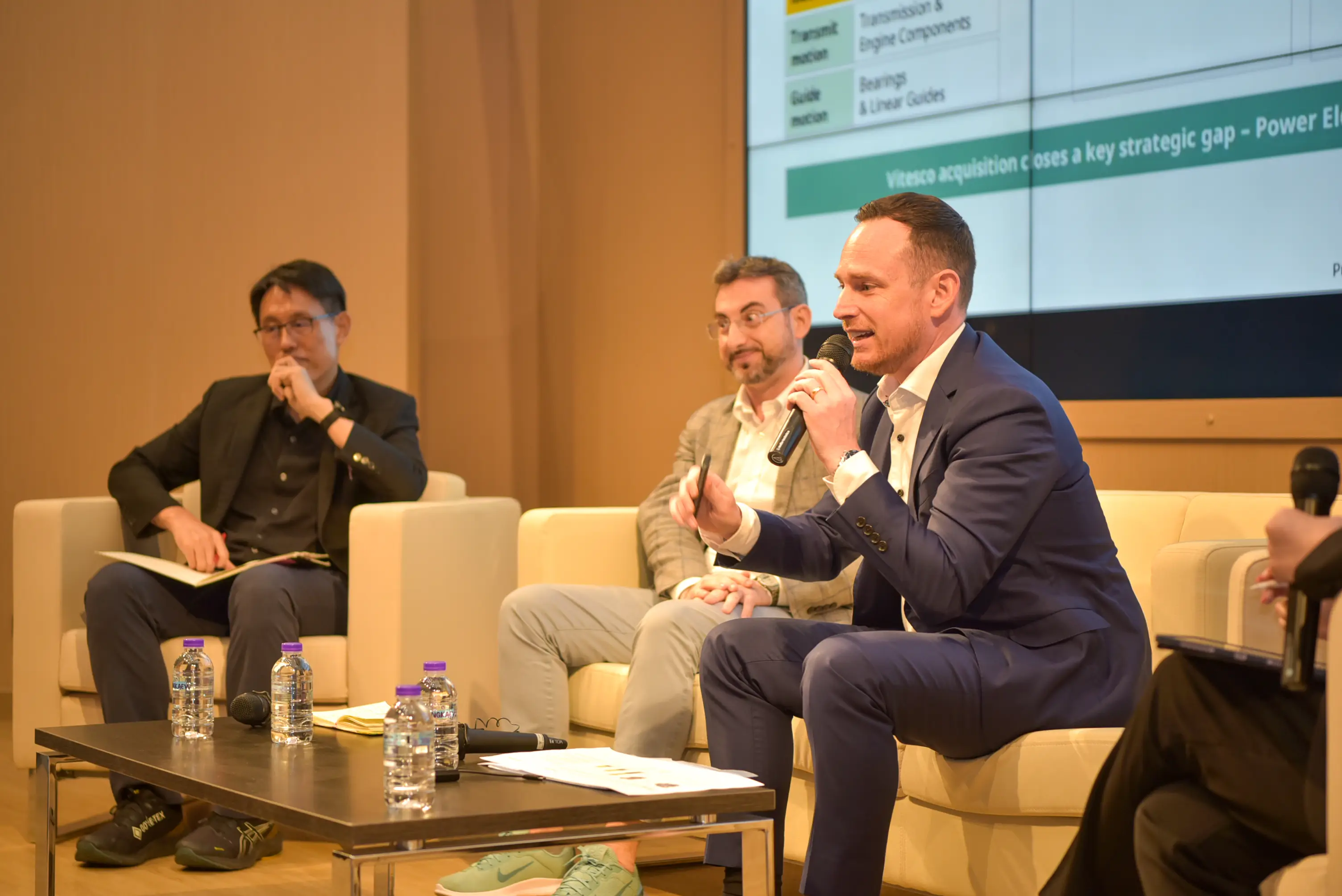
“Environmental Trade Measures and Their Impact on the Automotive Industry”
Panelists included:
Mr. Florin Dascalescu, Head of Unit, European Investment Fund
Topic: The European Union’s Anti-Subsidy Measures on Electric Vehicles: Implications for Environmental Sustainability and Innovation
Mr. Jan Wittenstein, Vice President, Schaeffler Manufacturing (Thailand) Co., Ltd.
Topic: Corporate and Industrial Adaptation to Environmental Regulations
Associate Professor Dr. Kriangkrai Techakanont, Faculty of Economics, Thammasat University
Topic: Structural Transformation of Thailand’s Automotive Industry and Environmental Dimensions
The session was moderated by Assistant Professor Dr. Supanika Leurcharusmee, Faculty of Economics, Chiang Mai University.
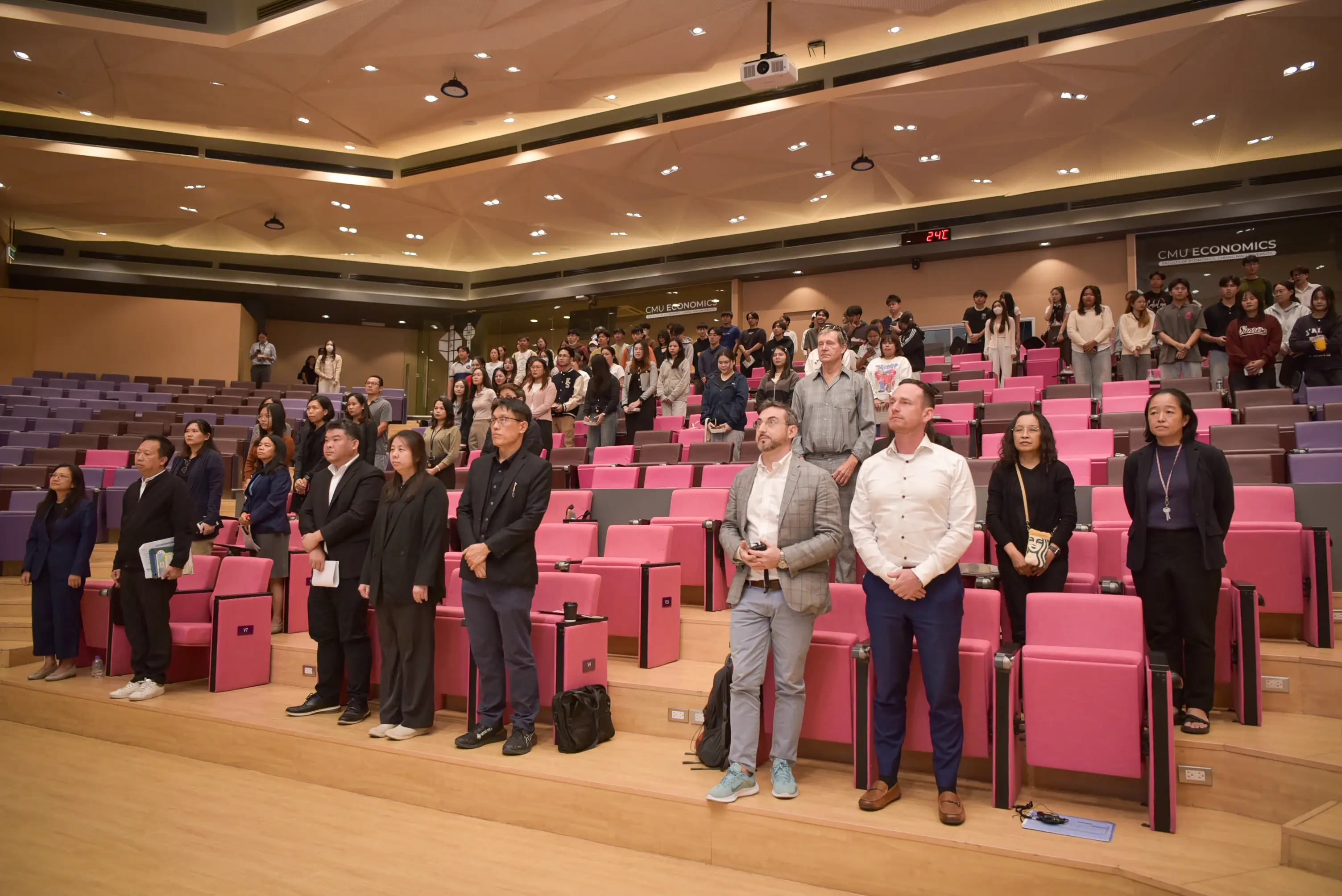
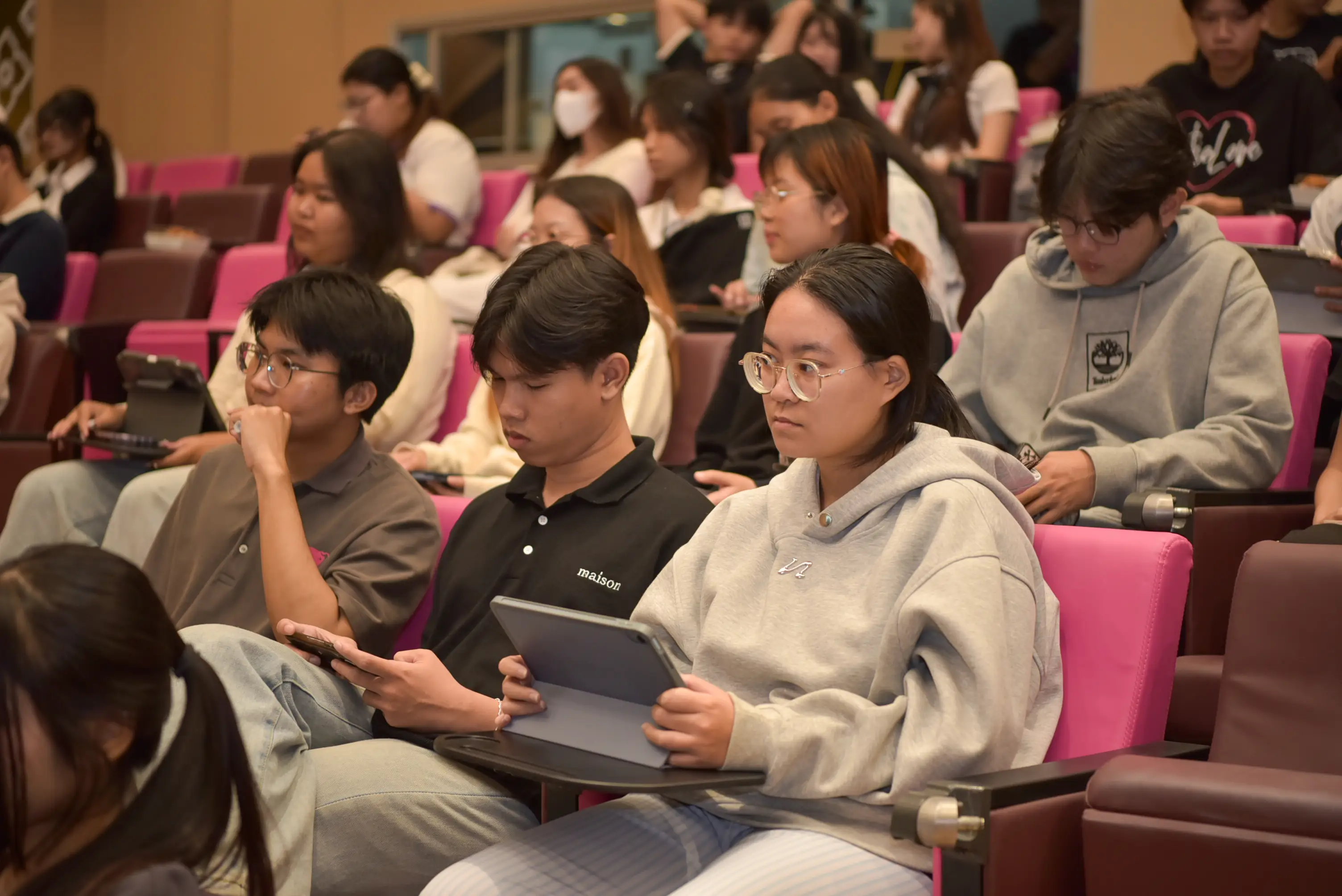
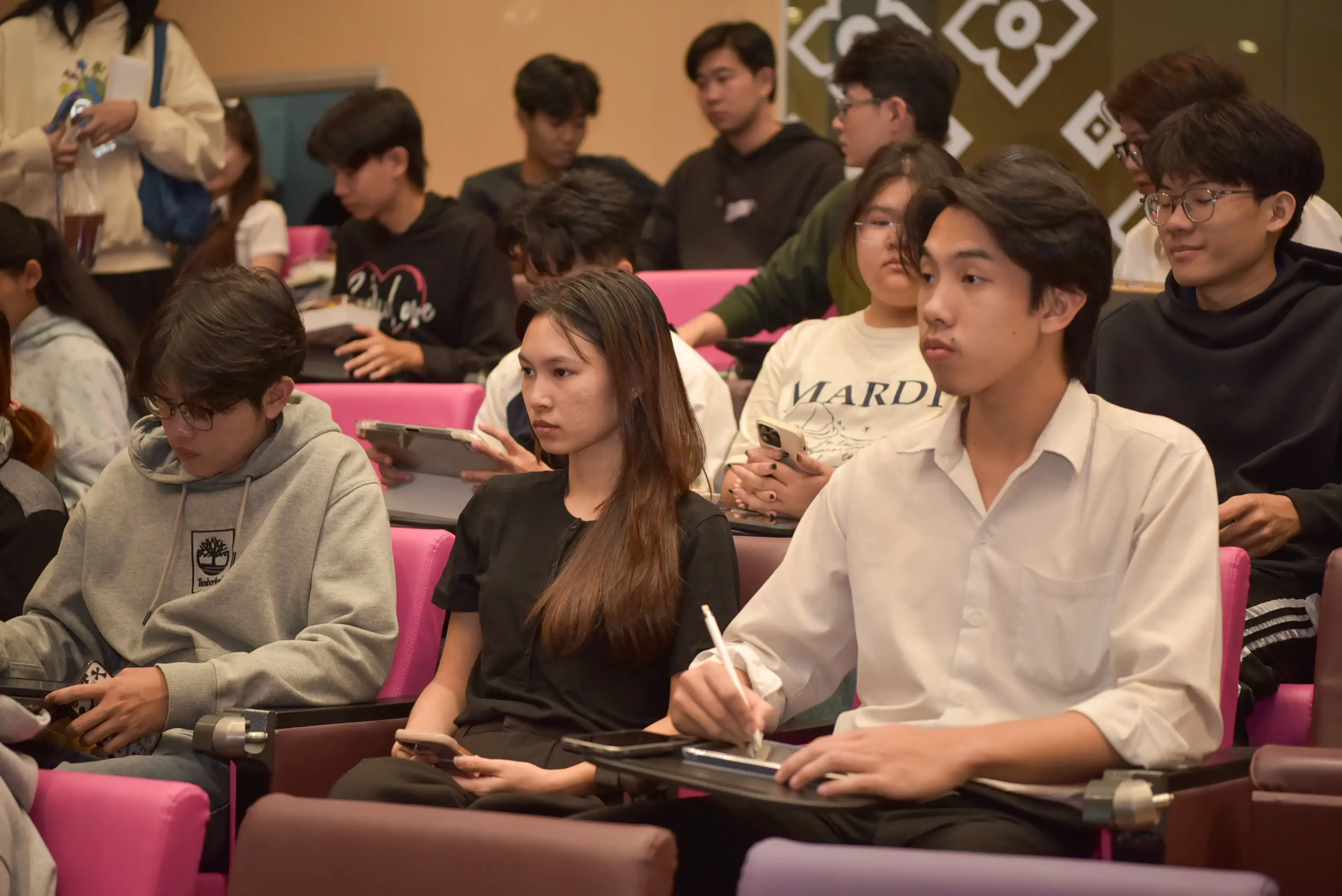
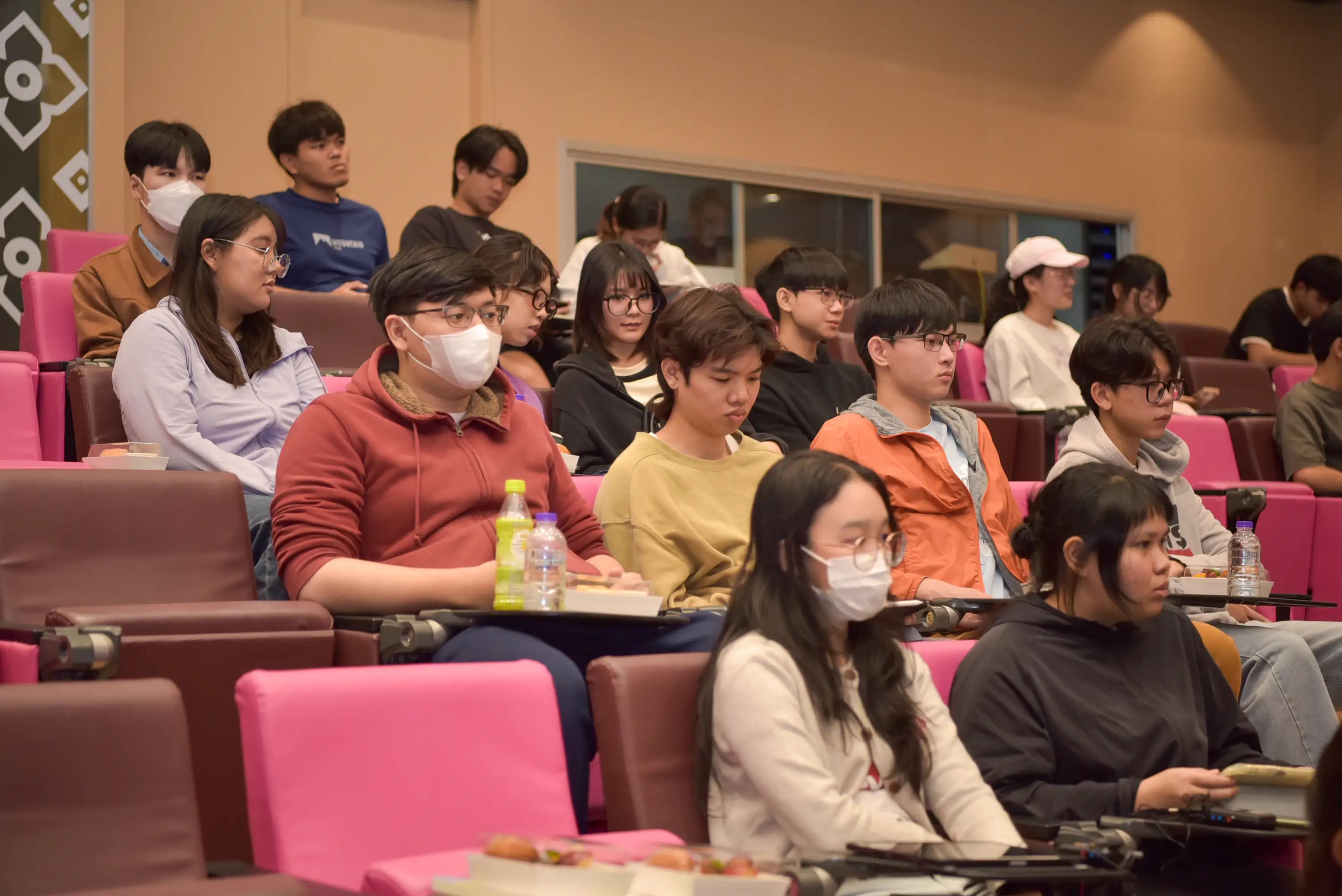
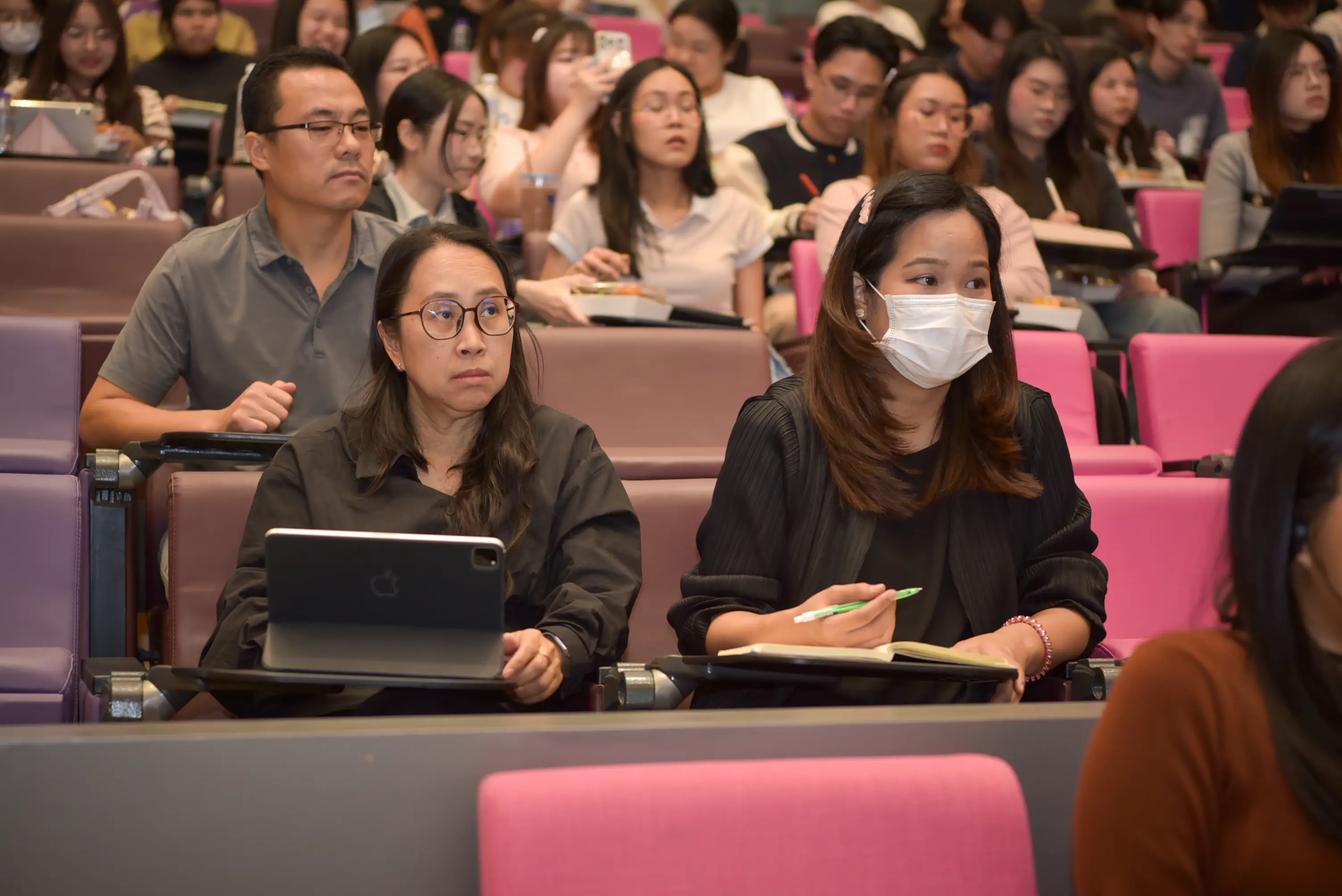
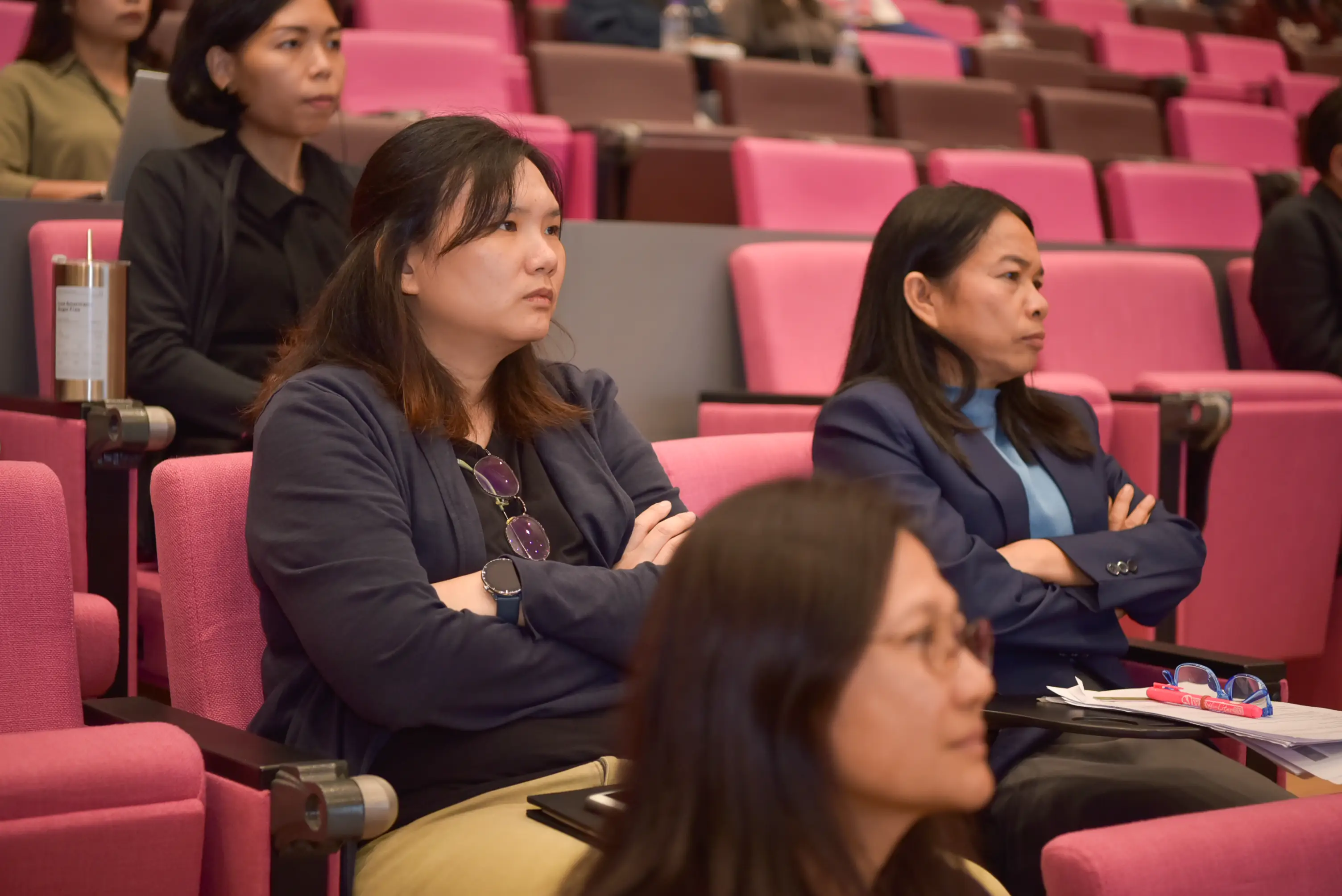
Both sessions attracted significant participation from government agencies, private-sector organizations, academics, researchers, and students, reflecting growing interest in sustainability, climate policy, and the rapidly evolving landscape of global trade.
The seminar served as an important platform for exchanging knowledge, perspectives, and policy recommendations on environmental and economic challenges. It reinforced the Faculty’s role as a center for academic dialogue and policy engagement, while contributing to Thailand’s transition toward a sustainable low-carbon economy and enhancing the country’s competitiveness in an increasingly complex global environment.
- Admin
- 518 times